
Smart Integration in Coding and Marking Processes: Increasing Production Line Efficiency
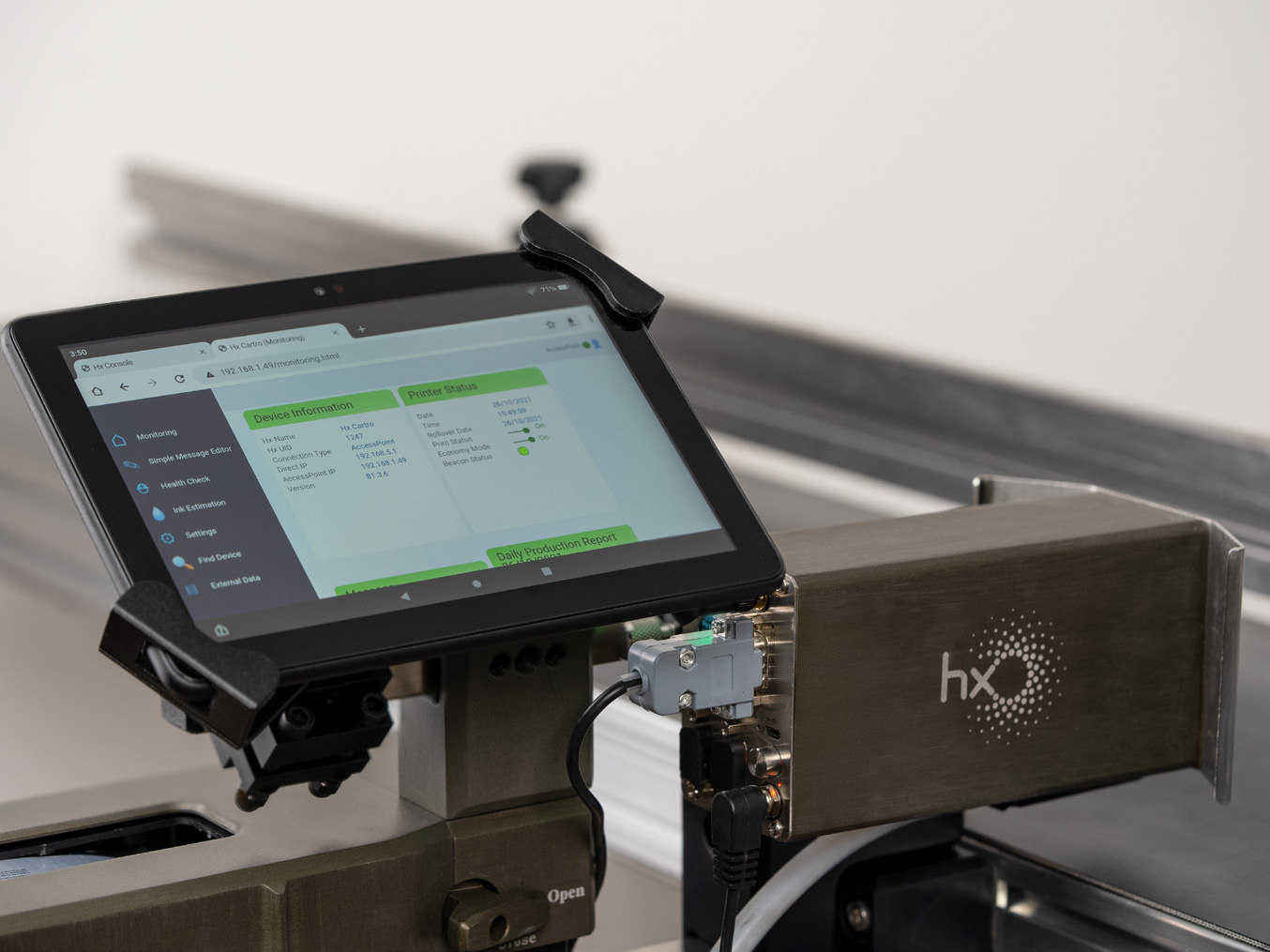
Efficiency and precision are the cornerstones of every successful production line. In the coding and marking sector, these metrics are pushed further through smart integration. Connecting devices like Programmable Logic Controllers (PLC), Enterprise Resource Planning (ERP) systems, and Systems Applications and Products (SAP) allows manufacturers to enhance operational capabilities and streamline workflows. Now, let’s examine the transformative impact of Industry 4.0’s smart integration on coding and marking processes.
Understanding Industry 4.0 Smart Integration
Smart integration is a broad term and can sometimes seem like an abstract concept because it is used in many different scenarios. However, it essentially refers to a structure where different IoT systems and devices connect seamlessly to provide data exchange and operational coordination. In the coding and marking sector, this involves printer machines connecting with PLCs and SAP systems to optimize production processes.
Integration with PLC, ERP, and SAP systems provides real-time data transfer and synchronization between production equipment and management systems. This connectivity makes operations more efficient and data-driven, allowing for more informed decisions and more organized workflows.
Smart External System Integration in Coding and Marking
In the coding and marking sector, smart integration enables coding machines to communicate effectively with external systems by integrating advanced technologies. This integration provides automatic updates, precise data management, and coordinated control at different stages of production.
Protocol Compatibility
Smart integration requires compatibility with different communication protocols used by PLCs and SAP systems. It is critical for marking equipment to support these protocols for effective integration.
Data Exchange Mechanisms
Effective integration uses standard data exchange formats such as XML, JSON, or CSV. This ensures seamless data flow between marking systems and ERP systems (e.g., SAP), providing real-time updates and accurate data management.
Automation and Control
Integration involves automating data transfer between systems. For example, PLCs automate marking operations based on real-time production data and dynamically adjust parameters such as print speed or content.
Feedback Loops
Advanced integration includes feedback mechanisms that allow marking systems to send real-time status updates and error reports to PLCs and SAP systems. This ensures immediate intervention in production anomalies, reducing downtime and guaranteeing consistent quality.
Benefits of Smart External System Integration
Increased Efficiency
By automating data transfer and reducing manual interventions, smart integration speeds up production processes and minimizes downtime. This increases overall operational efficiency.
Real-Time Data Access
Integration with PLCs and SAP systems offers real-time data access, enhancing decision-making processes and operational responsiveness. This ensures production lines run smoothly and quick adjustments can be made based on current data.
Improved Accuracy
Automated data exchange and synchronization minimize errors that can result from manual data entry. This results in higher accuracy in coding and marking operations, better product quality, and fewer errors.
Increased Scalability
Smart integration solutions are designed to allow businesses to easily adapt to changing production requirements and expand their systems without major disruptions.
Challenges in Smart Integration
**Compatibility Issues**
Legacy or diverse equipment may use different communication protocols and data formats, leading to compatibility problems. Ensuring all systems work and communicate effectively is critical.
**Data Synchronization**
Ensuring data is synchronized accurately and consistently between systems can be complex. Robust solutions are needed to manage real-time updates.
**System Complexity**
Managing and integrating multiple systems can increase the overall complexity of the system. This can make maintenance and troubleshooting processes more difficult.
**Error Management**
Automated systems need effective error management mechanisms and feedback loops to address issues quickly and prevent production disruptions.
Abant’s Solutions to Smart Integration Challenges
**Seamless Compatibility**
Abant’s integration solutions are designed with broad compatibility in mind. This flexible approach allows for seamless integration across various platforms and legacy systems, reducing compatibility barriers and ensuring harmonious operation.
**Real-Time Data Synchronization**
Abant uses advanced data exchange mechanisms to ensure real-time synchronization. Our systems utilize high-performance data protocols and integration frameworks that support accurate and timely data flow between marking equipment and ERP systems like SAP. This ensures production data is always up-to-date, increasing operational efficiency and minimizing inconsistencies.
**Simplified System Management**
System complexity...
abantjet.com
Coding and Marking Solutions
Visit abantjet.com for detailed information about inkjet coding machines, TIJ printers and industrial marking systems.